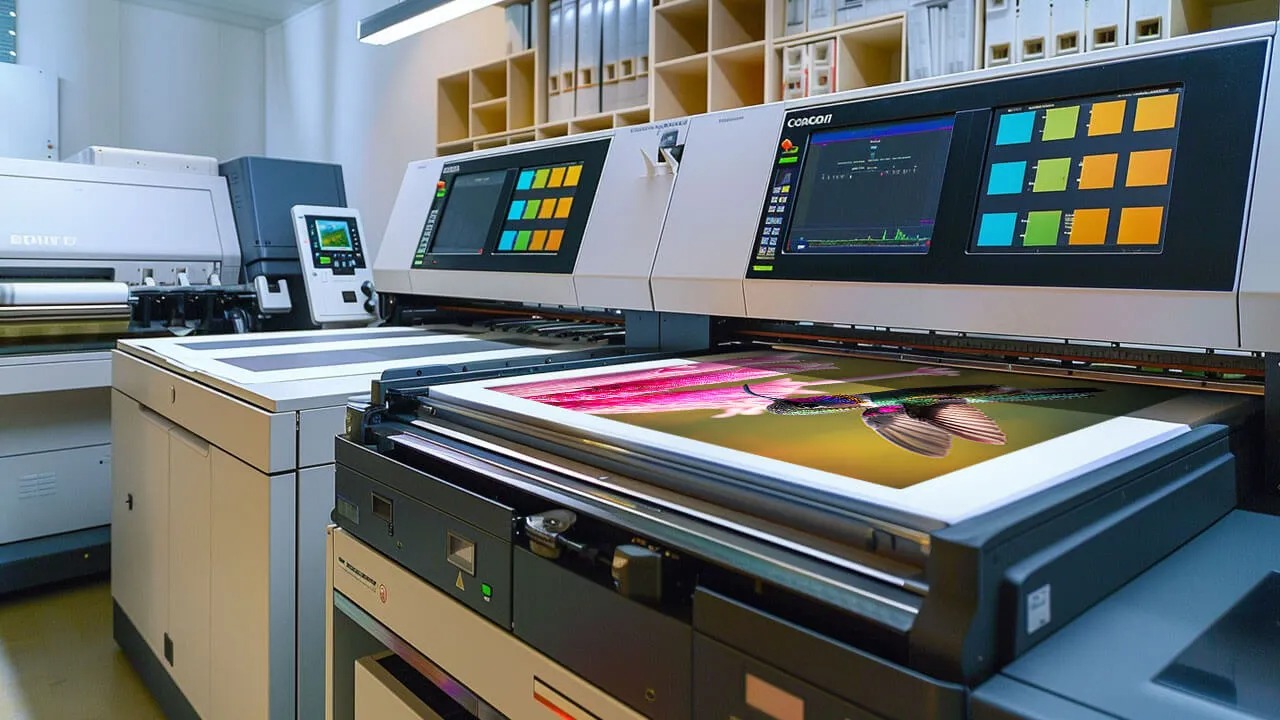
Uganda is full of many printing companies, with Kampala being the heart of the print and media industry, with renowned places like Nasser. However, all those media houses do not provide the same quality and pricing; some charge low prices while producing poor-quality products, and others charge high prices while offering poor quality.
Choosing the right printing company that offers quality products is somewhat challenging in Kampala today; the city is full of people who are more after money than prioritizing service delivery, conmen, and people who have no physical place of work.
In this guide, I am going to help you explore how to choose the best printing company in Kampala. When selecting a printing company in Uganda, it’s crucial to consider several factors to ensure you get the best service and results for your business needs.
Factors to consider when choosing a printing company in Kampala.
Quality of work. When choosing the best printing company, it's wise to choose a company with a strong portfolio of high-quality work. Going through the clients' reviews also shows the credibility of the company. Brands like Primedean have built strong, credible portfolios to help your brand stand out.
Turnaround time. Ensure that a company you are selecting can deliver in your required time frame; timely delivery ensures minimized errors and saves time.
Costing and pricing. Compare quotations of different companies before selecting a company; don't automatically choose the cheapest option; very low prices can sometimes mean lower-quality materials or finishing
Payment terms. Ask about deposits, payment on delivery, credit facilities, and accepted payment methods. Information about the company, like bank account, mobile money accounts being registered in the company names shows authenticity that you are dealing with a legit company not conmen. For large corporate orders, favorable and clear payment terms can be important.
Experience and reputation. Consider how long the company has been operating and the types of clients they serve. Ask for references or look at reviews and previous projects. A company with experience in your particular type of printing is preferable.
The digital footprint and branding consistency across channels. Before deciding on the type of company to use, take time to check their digital channels such as websites and social media platforms; do they communicate what they do, and is the branding and content the same.
Legal and regulatory compliance. Before choosing any company to use for you printing services, always confirm that the company is a registered company operating legally and compliant with the business laws governing the country. Always ask for documents like the Trading license, URA TIN and PPDA certificate to ensure you are working with a legit company on which you can take legal action in case of breach of contract or any disagreement
How can I tell if a printing company is reliable?
A reliable printing company usually shows consistency, transparency, and proof of past work. Before placing a large order, check these:
Check on their track record. when looking for a reliable printing company, check how long they have been working, look for genuine reviews, not just testimonials on their websites, and ask for recent work similar to yours. This shows how reliable the company is.
Test their communication. Pay attention to how quickly and clearly they answer questions. If they're vague before receiving your money, that's a warning sign. This can also help you to understand their expertise and knowledge in the industry, whether you are talking to an experienced or inexperienced company.
Check their business credentials. For a significant order, verify that the company has a legitimate business presence, physical/contact information, and appropriate registration or tax documentation where applicable, for example, asking for their Trading license, PPDA certificate, and URA certificate.
Ask about what happens if they make a mistake. A good printer should be able to explain their policy for defective, damaged, incorrectly printed, or late orders; no one really wants to be delivered with poor work after paying their money.
Ask for a physical or digital proof. A reputable printer should be willing to provide a sample/proof before producing a large quantity. This helps to prove whether that the exact material and design that you want, it also assures quality work.
Key questions to ask a printing company
Asking the right questions matters a lot, and it can save you from a lot of mistakes and losses. Here are some of the right questions that you have to ask before you take on your work.
- Have you printed something similar to this before? This is one of the best opening questions. Don't just ask whether they can do the job. Ask whether they have actually done something similar. For example: We need 2,000 branded brochures, full color, A4, folded, with a fairly premium finish. Have you handled a job like this before? A good printer should be able to show you samples, photographs, or explain how they handled a similar project.
- What exactly is included in this price? This question can save you from unpleasant surprises. Suppose a printer tells you the flyers are UGX 500 each. Before getting excited, ask whether that includes paper, full-color printing, cutting, VAT, design, packaging and delivery. You may discover that the UGX 500 only covers the printing.
- What type of paper or material do you recommend? A good printer should explain which material will give you the quality you need without unnecessarily increasing your costs.
- Can I see a proof or sample before full production? A physical or digital proof allows you to catch mistakes in color, text, layout, size, or finishing before the whole order is produced and you end up with good work.
- How do you ensure color accuracy? This helps you find out whether they have a proper process for producing colors consistently, especially when printing company branding.
- Who checks the artwork before printing? This tells you whether the printer will help identify technical problems such as poor image quality, incorrect dimensions, or missing bleed before production.
The biggest warning signs when choosing a printing company
- The price is suspiciously low. A very cheap quotation may mean lower-quality paper, poor finishing, hidden charges, or compromises in production also have a second though on low prices.
- They refuse to provide a clear quotation. If the company cannot clearly state the quantity, materials, finishing, total cost, and other charges in writing, you may face disagreements later.
- They keep changing the price. Frequent price changes after you have already agreed on the job can indicate poor organization or an attempt to introduce unexpected costs, and this can distract you from your prepared budget.
- They promise unrealistic deadlines. Be careful when a company guarantees an extremely fast turnaround without first checking the quantity, artwork, materials, and finishing requirements; this a times comes with delays and poor work.
- Their previous work looks inconsistent. Poor color matching, uneven cutting, blurry images, spelling mistakes, or weak finishing in previous jobs may indicate that quality control is not a priority.
- They communicate poorly. If they take days to respond, ignore questions, give unclear answers, or constantly change who is handling your job, the same problems may continue during production.
- They avoid discussing what happens when things go wrong. A professional printer should be able to explain how they handle defective, damaged, incorrectly printed, or late orders.
- They don't ask questions about your job. A provider who immediately gives you a price without asking about size, quantity, paper, finishing, artwork, or deadline may not have properly understood your requirements.
- They are unwilling to put agreements in writing. Important details such as price, specifications, deadlines, and payment terms should not depend entirely on verbal promises.
In conclusion, when you are choosing to use a new printing company, take those considerations and ask the right questions to avoid making mistakes; look for those warning signs to choose the right company. That's how you can choose a reliable and right company for your business’s needs.