Discover expert tips on corporate branding, behind-the-scenes looks at our recent projects, and announcements straight from our Kampala workshop.

Kampala has a vibrant printing and branding industry serving corporates, NGOs, government agencies, schools, SMEs, event organizers and individuals. The market ranges from established industrial printers capable of handling high-volume publications and packaging to digital printers and branding companies specializing in quick-turnaround jobs, promotional merchandise, signage and corporate visibility. Today, printing is also much broader than putting ink on paper. Companies increasingly require suppliers that can handle commercial printing, packaging, promotional merchandise, signage, large-format printing, vehicle branding, office branding, event materials, labels, corporate stationery and graphic design under one roof. Below are some of the key printing, branding and related service providers in Kampala. NOTE:The list is intended as an industry guide rather than a ranking. 1. Graphic Systems Uganda Limited Graphic Systems Uganda Limited is one of Uganda’s established industrial, commercial printing and packaging companies. Founded in 1997, the company operates from Plot 8 Buvuma Road, Kampala, and forms part of a regional printing group with operations and presence across several African markets. Graphic Systems has particularly strong capabilities in industrial printing and packaging. Its industrial operations include the production of labels and packaging materials using technologies such as offset and gravure printing, serving sectors including beverages, pharmaceuticals and healthcare, cosmetics, soaps and detergents. Beyond industrial production, the company provides a broad range of commercial and brand-visibility solutions, including commercial printing, large-format printing, personalised digital printing, graphic design, business stationery and promotional products. Its portfolio also includes books and publications, cartons, labels, indoor advertising, outdoor signage, point-of-sale materials, exhibition and conference materials, corporate uniforms and vehicle branding. 2. In-line Print Services LtdIn-Line Print Services Ltd is an established printing, branding and promotional solutions company in Kampala, Uganda, operating from Plot 1073, Kitintale–Mutungo. It was established in 2001, with more than two decades of experience in Uganda's printing industry. Its services include offset printing, digital printing, large-format printing, book and publication printing, packaging, graphic design, corporate branding, promotional materials, corporate merchandise, document production, installation and finishing services. 3. Digiprint Systems Uganda LtdDigiprint Systems Uganda Ltd is an established printing, branding and design company in Kampala, operating from 61–67 Nkrumah Road, within one of the city's best-known commercial printing areas. Digiprint provides a broad range of commercial printing solutions, including digital printing, offset printing, screen printing and large-format printing. Its services cater to businesses and organisations requiring marketing materials, corporate publications, promotional materials and general business printing. Beyond basic printing, the company offers a range of print-finishing services, including lamination, Spot UV, foil and die stamping, die cutting, kiss cutting and different forms of binding. 4. Primedean LimitedPrimedean Limited is a Kampala-based printing, branding, signage and visibility solutions company that supports organisations looking for more than conventional printing. Primedean has been serving Ugandans since for over 10 years. Its printing services cover reports, books, manuals, workbooks, brochures, flyers, posters, business cards, calendars, notebooks, folders, table talkers and other corporate stationery. Primedean also supplies promotional merchandise, including branded T-shirts, umbrellas, water bottles, mugs, thermal flasks, tote bags, caps, notebooks, keyholders and corporate gifts. This makes the company suitable for organisations looking to consolidate printing and promotional-material requirements with one supplier. Beyond printing, Primedean provides extensive brand visibility solutions. These include teardrop, pull-up, X-stand, backdrop and vinyl banners; outdoor and perimeter banners; custom signage, reception signage, indoor glass signage, roadside signs, pylons, lightboxes, directional and safety signage, and 2D and 3D signage. Its event branding services include backdrops, exhibition stands, photo booths, speaker podiums, stage branding and event signage, while office branding covers brand-colour painting, wall graphics, reception branding, door and window branding, vinyl wraps, frosted stickers and one-way-vision graphics. For businesses seeking visibility on the move, Primedean also provides vehicle and motorcycle branding for company cars, motorcycles, pickups, vans, trucks, trailers and complete fleets. Depending on the project, this can be combined with logos, corporate colours and other visibility elements to create a consistent identity across an organisation's physical assets. One of Primedean's useful conveniences is its digital quotation process. Customers can submit a quotation request directly through the company's website, which promotes a free quote in approximately 2 minutes, or contact the team through WhatsApp. Primedean is a supplier for corporates, NGOs, financial institutions, schools, government-related projects, SMEs, events and other organisations that require several branding services from one provider. Primedean is tax compliant and offers EFRIS invoices to help you achieve formal procurement and tax-accountability requirements.Primedean Limited is located on Kira Road, near Total Acacia, Kampala. Customers can call or WhatsApp +256 760 249 354 or email sales@primedean.com. The company's website is www.primedean.com 5. Supreme Marka, KampalaSupreme Márka is a printing and branding company based at Sia Amara Plaza, Plot 20–24, Spring Road, Bugolobi, Kampala. Its services span offset and digital printing, large-format printing, signage and fabrication, promotional merchandise, vehicle branding and digital displays. Its offset and digital printing portfolio includes brochures, flyers, posters, business cards, office stationery, notebooks, diaries, magazines, reports, books, calendars, labels, packaging boxes, gift bags, tickets and certificates. The company also offers signage and fabrication offering covering indoor and outdoor signs, pylons, illuminated and non-illuminated fascia signs, 2D and 3D signage, directional signs, billboard frames and vehicle-body fabrication. Its promotional merchandise range includes items such as corporate wear, mugs, umbrellas, tents, lanyards, T-shirts, caps, bottles and pens. 6. BrandAds LimitedBrandAds Limited is a Kampala-based printing, branding and creative solutions company serving businesses, organisations, NGOs, institutions and individuals. Founded in 2014, the company has grown from primarily providing printing services into a broader branding provider covering both physical and digital brand applications. Its printing services include digital and offset printing, business cards, flyers, brochures, booklets, posters, banners, stickers, certificates, invitation cards, ID cards, annual reports and magazines. For organisations looking for larger visibility solutions, BrandAds also provides large-format printing, vehicle branding, signage, 3D and illuminated signs, exhibition materials, pull-up banners, teardrop banners and other corporate branding applications. The company also supplies and brands promotional merchandise and corporate gifts, including T-shirts, pens, notebooks, mugs, bottles, umbrellas, bags, lanyards, uniforms and awards. Beyond production, BrandAds offers graphic design, logo and visual-identity development, helping businesses maintain consistency between their printed materials and wider corporate branding. 7. Sido Digital Print SolutionsSido Digital Print Solutions is a specialised digital printing, label and security-printing company based in Bugolobi, Kampala. Founded in Kampala in 2016, the company serves businesses, institutions and government clients with printing solutions ranging from everyday commercial materials to specialised security and brand-protection applications. A major part of Sido's offering is its use of HP Indigo digital printing technology, which supports high-quality colour reproduction, short and long print runs, personalisation and variable-data printing. The technology allows individual printed items to carry unique information such as QR codes, barcodes and serial numbers, making it particularly relevant for organisations that require product traceability, personalised campaigns or controlled document production. Sido also provides security printing for items such as tickets, certificates, cheques and classified documents. Available security features include microtext, guilloché patterns and invisible UV-reactive inks. Its commercial printing services cover business cards, brochures, menus, photobooks, calendars and other marketing materials, supported by in-house design, finishing and bindery service 7. Print Creations – Digital Printing & Branding UgandaPrint Creations Investments Ltd is a Kampala-based printing, branding and creative services company located at Suite D14, Light House on Nkrumah Road, opposite Cham Towers. The company positions itself as an integrated marketing, communications, printing, branding and general supplies agency and states that it has more than 15 years of experience in the printing industry. Its printing capabilities include digital printing, offset printing, single- and full-colour commercial printing, large-format printing, business cards, books, brochures, calendars, manuals, newsletters, stationery, labels, laminating, binding and other marketing materials. 8. Giants Printing and Designs Solutions UgandaGiants Printing and Designs Solutions Uganda is a commercial printing, industrial printing, packaging and branding company based on Nasser Road in Kampala. The company serves businesses, organisations and individuals looking for both everyday print products and more specialised branding and production solutions. Its services cover large-format printing, offset printing, digital printing, screen printing, banners, posters, flags and fabric printing, business cards, books, magazines, booklets, labels and stickers, paper bags, signage and packaging. It also provides promotional-item branding, engraving, 3D printing, embroidery, sublimation, DTF and DTG printing, vinyl printing and other specialised print-production methods. 9. Kwik Computing LimitedKwik Computing Limited is an established printing and branding company located at Plot 15, 7th Street, Industrial Area, Kampala. The company was established and incorporated in 2000, initially focusing on printing services before expanding its capabilities into a broader range of branding and production solutions. Kwik Computing provides offset printing, digital printing, large-format printing, screen printing, label printing, graphic design, embroidery and tailoring, signage, stationery supplies and specialty branding. Its printing portfolio covers products such as books, magazines, brochures, flyers, company profiles, booklets, stickers, labels and other corporate materials. Beyond conventional printing, the company provides vehicle branding, office and outdoor branding, promotional-product branding and engraving. It also brands items such as pens, cups, caps, helmets, wristbands, T-shirts, umbrellas, raincoats and company uniforms. 10. Expression Printers & Stationers LimitedExpression Printers & Stationers Limited is a Kampala-based commercial printing and stationery company located along Nkrumah Road, one of the city's established printing and business-service areas. The company provides printing solutions for businesses, government institutions and other organisations, with its services centred on commercial printing, corporate stationery, publications and promotional materials. 11. Shark Media Shark Media is a Kampala-based commercial printing company established in 2012. Located on Nasser Road at Mirembe Arcade. Shark Media's core capabilities include offset printing, digital printing, large-format printing, corporate printing, finishing and binding. Its production portfolio includes books, magazines, annual reports, company profiles, brochures, flyers, calendars, posters, publications and corporate stationery. 12. SAMOSH CONSULTS LtdSAMOSH CONSULTS Ltd is a Kampala-based printing, branding and business-support company located on Nkrumah Road, one of the city's major centres for commercial printing and branding services. The company provides offset and digital printing for materials such as reports, magazines, brochures, flyers, corporate stationery and other business publications. Its wider offering includes large-format and billboard printing, packaging, screen printing, graphic design and engraving, supporting organisations with both everyday print requirements and larger visibility projects. 13. Tete Business Solutions TETE Business Solutions Ltd is a Kampala-based creative printing, branding, packaging and design solutions company established in 2016. Located at Light Arcade on Nkrumah Road. Its services include digital and offset printing, corporate printing, branding, packaging, security printing, promotional items, office stationery and machinery, corporate wear and uniforms, event materials, adverts and animations, and customised design services. The company also produces items such as business cards, flyers, stickers, signage, backdrops, posters, T-shirts, IDs and branded promotional products. TETE Business Solutions focuses on providing customised solutions based on individual client requirements. With services spanning printing, branding, promotional merchandise, uniforms, supplies and event materials, TETE serves as a partner for organisations seeking to strengthen their corporate image and execute their marketing and visibility materials. 14. Ovidian Uganda Limited Ovidian Uganda Limited is a Kampala-based printing and branding company operating under the wider Ramco Group of Companies, an East African conglomerate with operations across Kenya, Uganda, Tanzania and Rwanda. Ovidian Uganda is part of Ramco Group's Print & Packaging portfolio, alongside other businesses involved in commercial printing, packaging, publishing and branding. Ovidian Uganda combines offset printing with large-format printing, enabling it to provide businesses and organisations with a broader range of printing, packaging and branding solutions from one provider. 15. Printplace Uganda LimitedPrintplace Uganda Limited is a digital printing company based at Nasser Business Center in Kampala, positioning it within one of Uganda’s best-known commercial printing hubs. The company provides printing solutions to businesses, organisations and individuals looking for accessible and convenient print production services. Its location on Nasser Road makes Printplace particularly convenient for customers looking for digital printing and general print production, including businesses that require relatively quick turnaround for day-to-day marketing, corporate and communication materials. 16. Signexa Branding and Signage LimitedSignexa Branding and Signage Limited is a Kampala-based signage, printing and branding company operating from Blue Heights Plaza on Nkrumah Road. The company provides visual branding solutions for businesses looking to strengthen their presence across offices, retail spaces, vehicles, events and other customer-facing environments. Its services extend beyond conventional printing into 3D and illuminated signage, indoor and outdoor branding, vehicle wrapping and fleet branding, wayfinding signage, banners, digital printing, promotional products and corporate branding solutions. 17. Camara Printers and Graphics UgandaCamara Printers and Graphics Uganda is a commercial printing and graphic-production company located at Nasser Business Center on Nasser Road, Kampala, one of the city's well-known centres for printing and related services. The company provides commercial printing and graphics services, supporting businesses, organisations and individuals that require professionally produced marketing, promotional and corporate materials. Its location on Nasser Road also makes it convenient for customers looking for printing and graphic-production services within Kampala's central business district. 18. Printing Solution Ug Printing Solution Ug is a print shop located at Bunkeddeko Complex on Nasser Road, Kampala, placed within one of Kampala's best-known commercial printing areas. Its location makes it accessible to businesses, organisations and individuals looking for printing services within Kampala's central business district. The business serves customers looking for general printing and print-production solutions. 19. Gravure Print Media & Publishers LimitedGravure Print Media & Publishers Limited is a Kampala-based company operating in Uganda’s printing, publishing and media sector, providing a broad range of print and branding solutions for businesses, institutions and organisations. its capabilities include offset printing, digital printing, packaging, billboard printing, graphic design and publishing-related services. The company’s service profile also includes labels, certificates, newspapers and other printed materials, alongside digital marketing and general design services. This combination makes Gravure Print Media & Publishers a potential option for organisations looking for a provider that can handle both corporate print requirements and larger advertising or visibility materials. 20. Media Parade (U) Ltd Media Parade (U) Ltd is a Kampala-based printing and branding company operating from Karobwa Towers on Nkrumah Road, one of Kampala's established commercial printing areas.. Its services cover digital and large-format printing, paper printing, booklets, flyers, indoor and outdoor advertising materials, office branding, billboards and promotional materials. Media Parade's printing capabilities extend from everyday corporate materials such as business cards, flyers and booklets to larger-format advertising applications such as billboards and outdoor materials.

Every day in Kampala, thousands of company cars, delivery vans, motorcycles, trucks and tuk-tuks move across the city carrying people, products and services. Yet these vehicles can carry something equally valuable, your brand. Think about a company vehicle leaving Ntinda in the morning, passing through Lugogo, joining Jinja Road, moving through the city Centre and later heading towards Entebbe. Throughout that journey, it is exposed to motorists, boda-boda riders, pedestrians, passengers, customers and business owners. When professionally branded, every journey becomes an opportunity to build visibility, recognition and brand recall. Vehicle branding therefore transforms an operational asset into a marketing asset. What Can We Brand?This is an important question in many boardrooms and marketing discussions: What assets can we use to increase visibility without continuously increasing our advertising budget? For years, businesses have relied on flyers, posters, radio, newspapers, billboards and, more recently, digital advertising. These channels remain important and should form part of an integrated marketing strategy. However, brands should also consider how existing physical assets can contribute to their visibility. According to Alliance Media Uganda, Kampala's central city region has a population of more than 1.6 million, while its daytime population rises to approximately 4.5 million people. The company also indicates that outdoor advertising locations along major routes such as Jinja Road, Bombo Road, Ggaba Road and Entebbe Road can generate exposure to more than 500,000 people per day. If a billboard reaches this audience from a fixed location, then a branded vehicle that carries the brand across different locations, communities and customer touchpoints, gives you a wider reach. A vehicle may be in Kampala today, Mukono tomorrow and Entebbe the next day, continuously extending the geographical reach of the brand. Every organisation spends money on their vehicles through fuel, servicing, maintenance, insurance and fleet management. These costs are necessary for operations, but branding will allow the same vehicles to deliver an additional return by supporting marketing and corporate visibility. Types of vehicle branding you can considerYou don't necessarily need to cover an entire car. Your budget, objective and type of vehicle should determine how much branding you need. 1. Full Vehicle BrandingFull vehicle branding covers most or almost all of the visible body of the vehicle, transforming an ordinary car, pickup, van or truck into a highly visible representation of the brand. It can incorporate your corporate colors, logo, product images, contact details, tagline and key marketing message. There are two main approaches brands can consider with motor vehicle:Option 1: Full Vinyl Wrap or Sticker BrandingThis involves covering most of the vehicle with professionally printed or colored vinyl. The original vehicle paint remains underneath the wrap. It allows for more creative designs, including gradients, photographs, product images and detailed graphics; it can be removed or replaced when the company rebrands or changes campaigns; it can help protect the original paint from minor scratches and everyday exposure; and it is particularly suitable for leased vehicles or businesses that may need to return the vehicle to its original appearance. Option 2: Full Paint Branding in Corporate ColorsWith this approach, the vehicle is professionally painted in the company's main brand colour, after which logos, contact details and other brand elements can be added using stickers, vinyl lettering or other finishing methods. It provides a clean, permanent and consistent corporate appearance; it can be suitable for organisations that intend to keep vehicles in the same brand identity for many years; there is less concern about vinyl lifting or peeling over time; and it can create strong fleet consistency when several company vehicles are painted in the same corporate colors. The choice between vinyl wrapping and full paint branding should depend on your budget, how long you intend to keep the branding, the complexity of the design and whether you may need to change the branding later. Vinyl offers greater flexibility, while paint is generally better suited to a long-term, permanent corporate identity. For some organisations, a combination works particularly well: paint the vehicle in the main corporate colour and use high-quality vinyl for logos, contact information and campaign messages. This keeps the core identity permanent while allowing information that may change to be replaced more easily. 2. Partial or Half WrapYou don't have to brand everything. A partial wrap may cover the doors, rear section, bonnet or selected sides of the vehicle. You can still create strong visibility while using considerably less material than a full wrap. A simple combination of your logo, brand colors, telephone number and service may be enough. 3. Logo BrandingLogo branding is one of the simplest and most affordable ways to turn a company vehicle into a visible brand asset. Instead of covering large sections of the vehicle, the company logo is strategically placed on areas such as the doors, bonnet, rear or sides where it can easily be seen. The logo can be applied using high-quality vinyl stickers or professionally painted directly onto the vehicle, depending on the desired finish, budget and how permanent the branding should be. Additional information such as a phone number, website or short tagline can also be included without overcrowding the vehicle. 4. Vinyl LetteringVinyl lettering is a simple form of vehicle branding where letters, numbers, logos and other basic graphics are cut from colored vinyl and applied directly onto the vehicle or motorcycle. Unlike a full vehicle wrap, it does not cover large sections of the car and normally does not require a printed background. Vinyl lettering works particularly well when the vehicle's existing colour already complements the company's brand colors. It is also relatively easy to replace when telephone numbers, services or other information changes. 5. Reflective Vehicle BrandingReflective branding uses special reflective vinyl that becomes more visible when light, particularly vehicle headlights, shines on it. This makes it useful for vehicles that operate early in the morning, at night or in areas with limited lighting.You can use reflective material for their logo, company name, telephone number or selected design elements rather than covering the entire vehicle. It is particularly practical for security companies, logistics businesses, delivery companies, emergency/service vehicles and businesses whose fleets frequently operate at night. 12 Important tips before you Approve Motor Vehicle BrandingVehicle branding is not simply about placing a logo on a car. A good design should be visible, easy to understand, consistent with your brand and practical for the road. Before approving your next company car, pickup, van or truck for branding, consider these 12 tips: Keep the message simple. Your vehicle is not a company profile or flyer. People may have only a few seconds to notice it, so avoid filling every available space with information.Make your logo the hero. Your company name and logo should be among the first things people notice. Give the logo enough space and avoid surrounding it with too many competing graphics.Clearly communicate what you do. Someone seeing your vehicle for the first time should quickly understand your business. Instead of listing 15 services, use a simple description such as “Printing & Branding,” “Cleaning Services,” or “Construction & Engineering.”Use one strong contact point. Avoid displaying several telephone numbers. Use one memorable phone/WhatsApp number or website that customers can easily read and remember.Design for the road, not the boardroom. A design may look impressive on a laptop but become difficult to understand when the vehicle is moving. Consider viewing distance, traffic, speed and the few seconds people have to process your message.Consider visibility from every angle. Think about how the vehicle will be seen from the front, sides and rear. The rear can be particularly valuable because motorists may spend more time looking at it while following the vehicle or sitting in traffic.Don't overcrowd the design. Five phone numbers, ten services, several product images, social-media handles, a website and three slogans will compete for attention. Focus on three questions: Who are we? What do we do? How can you reach us?Maintain your correct brand identity. Use the approved logo, corporate colors, fonts and visual style. If you operate several vehicles, maintain a consistent design system so that customers can immediately recognize your fleet.Measure the actual vehicle before designing. Don't assume that every van, pickup, SUV or truck has the same dimensions. Professional measurements help ensure important information does not end up across door handles, windows, wheel arches, panel gaps or other unsuitable areas.Choose the right branding material and method. Decide whether you need full wrapping, partial wrapping, vinyl lettering, logo stickers, paint branding or a combination. A short promotional campaign may require a different solution from a company vehicle expected to remain branded for several years.Always approve a realistic mock-up first. Ask your branding company to show you how the finished design will appear on the actual model of vehicle before production. Check logo size, readability, positioning, colors and how the artwork interacts with doors, windows and other vehicle features.Think about durability, maintenance and future changes. Your vehicle will face sun, rain, dust, mud and regular washing, so use suitable materials and professional installation. Information likely to change such as promotional offers or campaign messages should ideally be applied in a way that allows easier replacement.
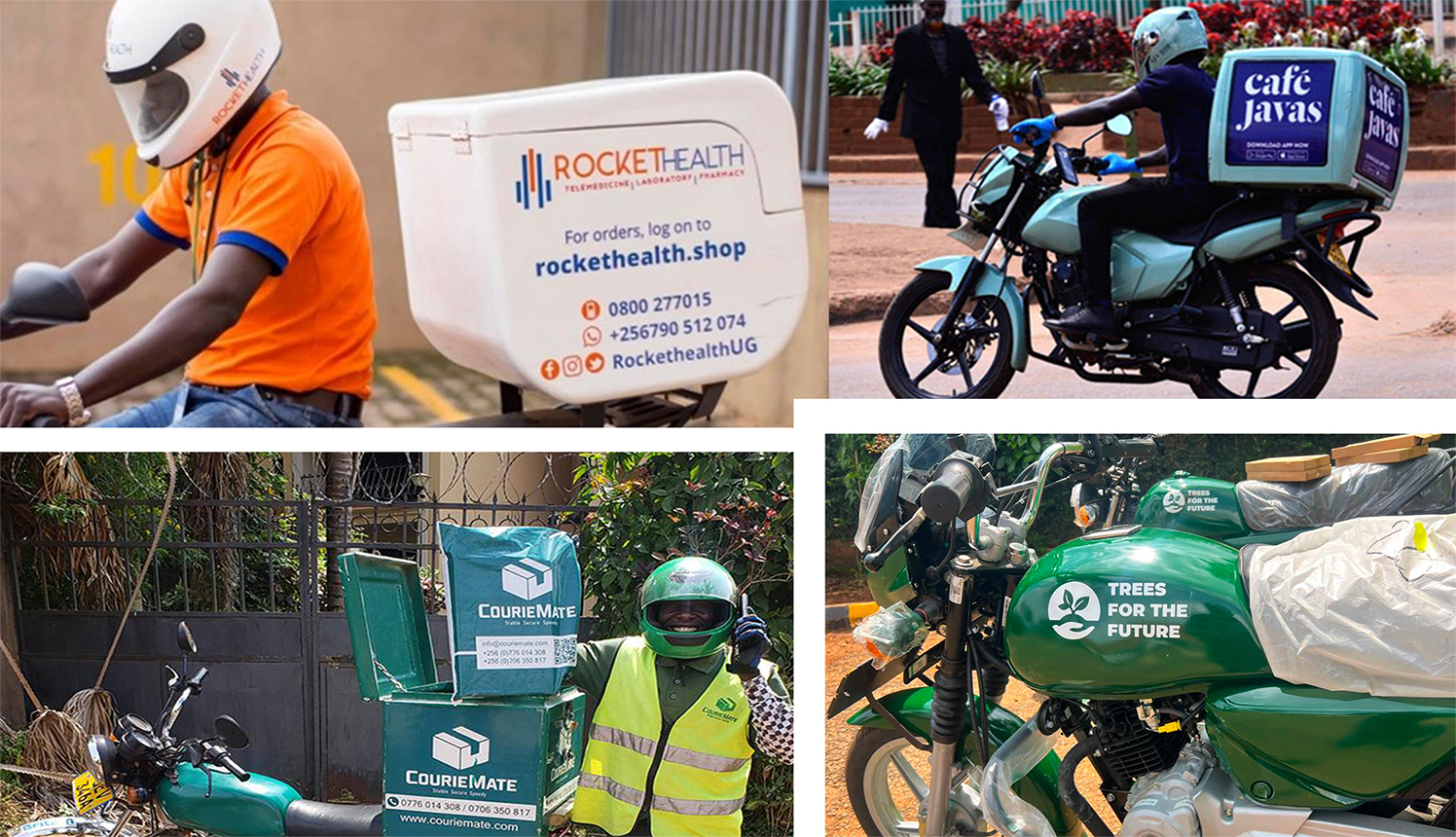
Motorcycles have become an important branding opportunity because they are widely used for deliveries, field operations, sales, courier services and customer support. Unlike a vehicle that may spend much of the day parked, a delivery or field motorcycle can make several trips across different parts of Kampala in a single day, giving the brand repeated exposure to motorists, pedestrians, customers and communities. Motorcycle branding can be done in different ways depending on the budget, type of motorcycle, intended use and how permanent the business wants the branding to be. One of the simplest options is sticker or vinyl branding, where the company logo, brand colors, telephone number or short message is applied to the fuel tank, side panels, mudguards and other visible areas. Quality outdoor vinyl is particularly suitable because motorcycles are regularly exposed to sunlight, rain, dust, mud and frequent cleaning. Brands looking for a stronger and more permanent appearance can consider full or partial paint branding, where selected motorcycle parts, or most of the motorcycle, are painted in the organisation's corporate colors before logos and other brand elements are applied. This approach can work particularly well for organisations operating a fleet of motorcycles because it creates a consistent and easily recognizable identity across the fleet. Another effective option is delivery-box branding. The box mounted at the back provides one of the largest and most visible surfaces available on a motorcycle. The back and sides of the box can carry the company logo, product images, website, telephone number, QR code or a short call to action. This is particularly relevant for restaurants, pharmacies, online shops, supermarkets and courier businesses whose motorcycles regularly move through busy commercial and residential areas.Businesses can also combine different approaches. For example, a motorcycle can be painted in corporate colours, fitted with vinyl logos on the fuel tank and side panels, and have the delivery box fully wrapped with campaign or product graphics. This allows the permanent elements of the corporate identity to remain on the motorcycle while promotional messages on the delivery box can be changed when campaigns, products or offers change. Reflective vinyl branding can also be incorporated into selected areas of the motorcycle or delivery box. Reflective materials become more noticeable when illuminated by headlights, making them particularly useful for motorcycles that operate in the early morning, evening or at night. However, decorative branding should not cover or interfere with legally required registration plates, lights, reflectors or other safety features. Another opportunity is to extend the branding beyond the motorcycle itself. Where appropriate, brands can create a more consistent field presence by aligning the motorcycle's branding with the rider's branded helmet, jacket, reflector vest, delivery bag or uniform. When the motorcycle, delivery box and rider carry the same visual identity, the entire delivery operation becomes a recognizable customer touchpoint rather than simply a means of transport. For organisations with several motorcycles, consistency is especially important. The same corporate colors, logo placement, fonts and general design approach should be maintained across the fleet. A customer who sees one branded motorcycle in Ntinda and another in Entebbe should immediately recognize that both belong to the same organisation. The design should also consider the motorcycle from different viewing angles. The sides are important when the motorcycle is moving through traffic, while the back can be particularly valuable because motorists may spend more time looking at it when following the motorcycle or waiting in traffic. Important information should therefore be positioned where it remains visible and readable. Most importantly, do not overcrowd the motorcycle. The available branding space is much smaller than on a car, van or truck, and people may only have a few seconds to see the message. Prioritise the logo, corporate colours, one clear contact point and, where necessary, a short description of what the business does. A clean motorcycle carrying four memorable pieces of information will usually communicate more effectively than one covered with telephone numbers, social-media handles, product lists and long marketing messages. Motorcycle branding should therefore be viewed as more than putting a logo on a boda. For businesses that already operate motorcycles daily, it is an opportunity to turn an existing operational asset into a mobile brand touchpoint that supports visibility, recognition and a consistent professional image wherever the business operates. In summary, before approving the final design and installation, consider these points:Keep the design simple: Prioritise your logo, brand colours, one clear contact and a short message. Avoid overcrowding the limited branding space. Consider visibility from all angles: Check how the branding appears from the front, sides and rear, especially when the motorcycle is moving or stopped in traffic. Choose the right branding method: Decide whether you need vinyl stickers, partial/full paint branding, delivery-box branding, reflective vinyl, or a combination based on your budget and how permanent the branding should be. Use quality materials: Motorcycles face sun, rain, dust, mud and frequent washing, so choose durable outdoor materials and professional finishing.Maintain brand consistency: Ensure the colours, logo, fonts and overall appearance match your organisation's approved brand identity, particularly when branding a fleet. Prioritise the delivery box: If the motorcycle has one, use the sides and rear strategically because they provide larger, more visible branding surfaces.Don't compromise safety: Branding should never obstruct registration plates, lights, indicators, reflectors or other important safety features.Think about night visibility: For motorcycles operating at night, consider reflective branding elements that improve visibility when illuminated by vehicle headlights.Ask for a mock-up before production: Review a digital visual showing exactly how the motorcycle will look before approving printing, painting or installation. Brand the rider too: Where appropriate, complement the motorcycle with a branded helmet, reflector jacket, uniform or delivery bag to create a complete and professional brand presence.Think about maintenance: Choose branding that can be cleaned easily and ensure riders understand how to wash and maintain branded surfaces without damaging the graphics. Plan for future changes: Avoid permanently painting information that may change frequently, such as phone numbers, campaign messages or promotional offers. Vinyl may be a better option for these elements.
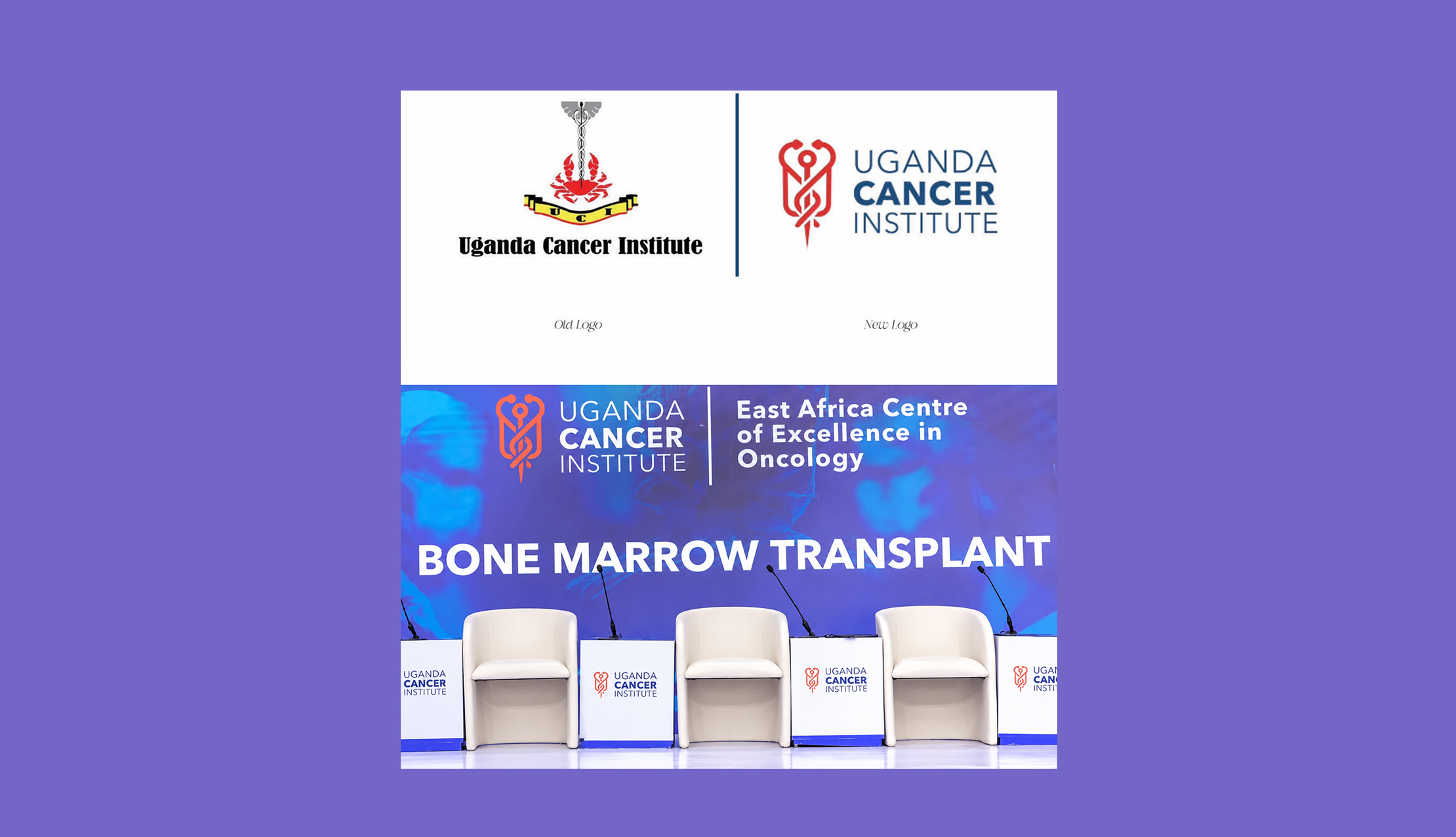
The Uganda Cancer Institute (UCI) has entered a new chapter in its institutional journey with the unveiling of a refreshed brand identity under the platform “Life. Reimagined.” More than a change of logo, the rebrand comes at a significant moment in UCI's evolution as the Uganda's national referral facility for cancer care, prevention, research and training and reflects an institution seeking to redefine the cancer experience around science, compassion, innovation, dignity and hope. From a Lymphoma Treatment Centre to a Regional Centre of ExcellenceThe history of UCI dates back to 1967, when the Lymphoma Treatment Centre opened with an 18-bed ward at Old Mulago Hospital. It emerged from collaboration involving Makerere University Medical School, Uganda's Ministry of Health and the National Cancer Institute of the United States, initially focusing on Burkitt's lymphoma. The success of the centre led to the establishment of the Solid Tumor Centre in 1969; together with associated laboratories, the two units formed what became the Uganda Cancer Institute. Nearly 6 decades later, that institution has evolved considerably. In 2014, the Government of Uganda and the African Development Bank signed an agreement to support UCI's establishment as the East Africa Centre of Excellence in Oncology, strengthening its leadership role in cancer-related services and training beyond Uganda. Today, UCI's work extends across clinical care, research, training, cancer prevention, radiotherapy, surgery, paediatric and gynaecological oncology, haematology and other specialised services. Its reach is also increasingly extending beyond Kampala through regional cancer centres as Uganda works to decentralise specialised cancer care. The scale of that responsibility is significant. In 2025, UCI registered 8,764 new patients, a 10.3% increase over 2024, while its outpatient department recorded 67,043 visits, approximately 278 patients per day. The Institute's laboratory processed more than two million biochemistry tests and over 110,000 haematology tests. Regional services also expanded, with Gulu Regional Cancer Centre registering 927 new patients and Mbarara 1,306. This makes UCI much more than a hospital. It is a national institution whose identity must represent care, science, research, innovation, hope and Uganda's growing capacity to manage increasingly complex cancers. A Brand Refresh that Reflects Institutional TransformationThe timing of the new identity is particularly significant. The rebrand comes alongside one of the most important clinical milestones in UCI's history. In 2026, the Institute performed Uganda's first autologous stem cell transplant (ASCT), successfully treating a patient with multiple myeloma. Previously, Ugandans requiring the procedure had to travel to countries including India, South Africa or destinations in Europe, with treatment estimated at USD 30,000–50,000 before travel and accommodation costs. UCI plans to progressively expand the programme to other blood-related cancers as capacity develops. The new brand therefore arrives at a time when the institution itself is changing. Under “Life. Reimagined.”, UCI is seeking to challenge a cancer narrative dominated only by fear and uncertainty and instead bring greater attention to courage, resilience, possibility and the lives that continue beyond diagnosis. Importantly, the new direction places patients, survivors, families, healthcare workers and communities at the centre of the UCI story. As UCI Executive Director Dr Jackson Orem explained at the launch, the institution is building on its legacy toward a future in which cancer journeys are met with “dignity, compassion and hope.” That makes the rebrand more than a visual exercise. From a Traditional Institutional Identity to a Modern Brand SystemLooking at the previous and new identities side by side, the visual transformation is significant. The previous identity was strongly institutional and traditional, incorporating a detailed crest and multiple visual elements. It communicated heritage and authority, but that level of complexity can become challenging when an identity has to operate consistently across today's wide range of physical and digital applications. The new identity takes a substantially different direction. It introduces a simpler, cleaner and more distinctive symbol, supported by a contemporary wordmark and a focused red-and-blue visual system. That simplicity matters. Today's institutional identities must work across dramatically different environments from a large hospital façade or roadside sign to a social-media profile, staff uniform, vehicle, directional sign, identification card, publication, website, conference backdrop or promotional material. The new UCI identity provides a much stronger foundation for building that kind of integrated brand system. Why Primedean thinks the new UCI Logo is a Game ChangerFrom a brand visibility and execution perspective, Primedean Limited sees several important strengths in the refreshed identity. It is distinctive. The new symbol has the potential to become recognizable independently of the full Uganda Cancer Institute name. This is important in building visual memory. Strong brands eventually reach a point where audiences can recognize their distinctive assets before reading the organisation's full name. It is easier to reproduce. This is an often-overlooked quality of a good logo. Complex identities can lose important details when reduced, embroidered, engraved, printed at small sizes or reproduced using different materials. The cleaner construction of UCI's new mark makes it inherently more adaptable to different branding applications. It provides a stronger foundation for consistency. The simplified symbol, typography and colour system can be translated more easily across facilities, regional centres, publications, staff materials, vehicles, digital platforms, signage and other public-facing communication. Consistency across these touchpoints is what ultimately turns a logo into a recognisable identity. It is scalable. A strong identity should retain its character whether it appears as a small digital icon or several metres high on a building. The reduction in unnecessary detail gives the new UCI identity greater potential to perform effectively across both small- and large-format applications. It is easier to translate into physical branding. One of the practical strengths of the new identity is how easily it can move from a digital logo into real-world brand applications. Its cleaner shapes and reduced complexity make it more suitable for embroidery, screen printing, engraving, promotional items, vehicle branding, vinyl cutting, laser cutting, illuminated signage and fabricated 2D or 3D letters and symbols. This can help UCI achieve cleaner finishes and greater consistency across different materials without losing the integrity of the original identity. It creates greater flexibility for building a complete visual identity. The new symbol can potentially work both with the full Uganda Cancer Institute wordmark and independently as a recognizable brand asset. This creates opportunities to develop a broader visual language around it, from patterns and environmental graphics to digital templates, branded merchandise, wayfinding and institutional communication—without requiring the entire logo to appear on every application. It feels aligned with the direction of the institution itself. UCI is expanding specialized treatment, infrastructure and regional access while strengthening its research and clinical capabilities. The refreshed identity feels contemporary, confident and forward-looking, providing the institution with a visual system capable of evolving alongside that transformation. Ultimately, the strength of the new UCI identity is not only how it looks, but how well it can work. A successful institutional logo must move effortlessly from screen to signage, from stationery to promotional merchandise, and from a small embroidered application to a major building façade, while remaining recognizable and consistent.

A number of businesses in Uganda invest significantly in branding and promotional items. However, many struggle to recognize a clear return on that investment. This is not necessarily because they use poor-quality materials or work with inexperienced agencies, but often because promotional branding is approached as a procurement activity rather than a strategic brand investment. Branding largely creates intangible value, which can make its return on investment difficult to quantify. Its impact is often reflected over time through stronger brand awareness, recall, credibility, customer preference and brand equity. This explains why some businesses successfully leverage branding to strengthen their market position while others invest consistently but struggle to see meaningful value from it. The bigger question, therefore, is how effectively businesses leverage their branding investments. Research shows that above-the-line advertising expenditure in Uganda reached UGX 309 billion in 2025, representing a 30% year-on-year increase, as businesses compete aggressively for market visibility. At the same time, 65% of Ugandans express confidence in local corporate identities, demonstrating the important relationship between consistent brand presence, recognition and consumer trust. There is no complicated formula behind brands that successfully leverage promotional branding, nor is success necessarily determined by having the biggest budget. The difference is often strategy: the same concept, but a different impact. Many businesses select promotional materials without considering whether they fit naturally into the routines, environments and lifestyles of their customers or employees. When promotional items are rarely used, the opportunity for repeated brand exposure disappears. The result can be significant expenditure with limited improvement in visibility, recognition, recall, trust or brand equity. Choosing the wrong promotional items can therefore cost a business more than the money spent acquiring them. It can lead to wasted marketing expenditure, limited brand exposure, weak recall and poor representation of the organisation's desired image. The starting point should not simply be “What promotional items should we buy?” but rather, “What do we want to achieve, who do we want to influence, and what promotional investment will keep our brand relevant and visible to them?” What to put into consideration when choosing promotional items Choosing the right promotional items should start with one important question: What items do your customers and employees actually use in their daily lives? This is a question you cannot afford to leave unanswered. Promotional items that naturally fit into people's everyday routines, at work, at home or while on the move create more opportunities for your brand to be seen, recognized and remembered. Therefore, before investing in promotional items, here is what you should consider: Define your target audience. Understanding your target audience in terms of demographics helps to actually choose the right items to use; for example, if your customers are Gen Zs, they like trendy items, and you should consider items like tote bags, headsets, or mugs. What Do You Want to Achieve? Before choosing a promotional item, start by defining what you want to achieve. Is your goal to increase brand visibility, build brand awareness, strengthen brand equity, improve brand recall, appreciate customers, reward employees, promote a new product, generate leads, or deepen customer loyalty? Your objective should guide the promotional item you choose. For example, if your goal is long-term brand visibility and recall, consider practical and durable items such as branded bags, umbrellas, notebooks, water bottles, or apparel that people can use repeatedly. A well-branded bag, for instance, can continuously expose your brand to different audiences as the user moves through offices, events, streets, and public spaces across Kampala. Choose the item based on the impact you want to create, not simply because it can carry your logo. Choose items that reflect your brand. For a sustainability company, using eco-friendly items just tells it all for your brand, and that’s how customers get to know you. Evaluate quality and durability. Cheaply made promotional items reflect poor brand; invest in quality and durable items by asking for samples before pressing a bulk order. Longevity is essential to release return for the long term. Top 10 promotional items every brand must consider in Uganda The best promotional item is not necessarily the most expensive one. It is one that is useful, relevant to the audience, aligned with your campaign objective and capable of keeping your brand visible beyond the day it is given out. Here are 10 promotional items you can consider: 1. Branded Bags: Branded backpacks, tote bags, laptop bags and shopping bags provide excellent long-term visibility because they move with the user. A well-designed bag can expose your brand in offices, meetings, events, shopping centres and on the streets of Kampala and other towns. 2. Branded Umbrellas: Uganda's weather makes umbrellas a highly practical promotional item. Beyond their usefulness, umbrellas provide a large branding surface, making logos and brand colours highly visible whenever they are used. 3. Water Bottles, Flasks & Tumblers: Reusable drinkware has become increasingly relevant in offices, gyms, schools, conferences, field activities and corporate events. Because recipients can use these items repeatedly, they provide regular interaction with the brand. 4. Diaries, Notebooks & Planners: Notebooks and diaries remain strong B2B promotional products because they often stay on desks, travel to meetings and are used repeatedly. They are particularly valuable when the quality and finishing make the recipient want to keep them. 5. Branded Pens: Pens remain one of the most affordable and versatile promotional items. They work especially well for campaigns requiring large quantities and are commonly used in offices, conferences, schools and customer-service environments. Their small size also means they frequently move from one person to another, potentially extending the reach of the brand. 6. T-Shirts, Polo Shirts & Caps: Wearable merchandise can turn customers, employees and event participants into moving brand ambassadors. However, the design matters. People are more likely to continue wearing a promotional clothing when it is attractive, comfortable and does not look like an advertisement. 7. Calendars: A well-designed branded calendar can keep a company visible in a customer's office, workspace or even at home for an entire year. Rather than simply adding a logo, some brands incorporate products, services, useful information, photography and important messages throughout the calendar. 8. Mugs: Branded mugs remain particularly relevant in office environments. A quality mug can stay on someone's desk or in an office kitchen for months or even years, providing repeated exposure at a relatively affordable cost. 9. Lanyards & ID Holders: Lanyards and ID holders are particularly effective where identification is already necessary. Instead of creating an entirely new behaviour, the brand becomes part of something the recipient already needs to wear. They also provide strong visibility when hundreds of participants wear them at the same event. 10. Branded Keyholders: Keyholders are small, affordable and practical. Because people carry house, office, motorcycle or vehicle keys regularly, a quality branded keyholder can keep a brand close to the recipient for a long period. They are particularly suitable when a business needs large quantities of affordable promotional giveaways without sacrificing usefulness. As a marketer, PR or communications manager, brand manager, procurement officer, administrator, HR professional, events manager, sales or business development professional, or anyone responsible for selecting and procuring branded promotional items, always choose products that are useful, relevant, of good quality and consistent with how you want people to perceive your brand. Promotional items are not just giveaways; they become physical representations of your brand whenever customers, employees or partners use them. With 65% of advertisers citing promotional products as highly effective in reaching consumers and contributing to brand recall, the quality and relevance of what you give out can directly influence how your brand is remembered. Tips for maximizing your promotional budget in Uganda A bigger promotional budget does not automatically guarantee better results. Whether you are buying items for customers, employees, conferences, activations or corporate gifting, what matters is how strategically you select, brand and distribute them. Here are practical ways to get more value from your promotional budget. 1. Order in Bulk and Negotiate for Better Value Ordering in larger quantities can significantly reduce your cost per item, branding and transportation. It also gives you greater negotiating power with your supplier. For example, businesses making bulk orders with Primedean Limited can save more because sourcing, branding and production can be consolidated into one order, helping reduce individual production and logistical costs. 2. Choose Useful Items Don't spend your promotional budget on products simply because they are cheap. Ask yourself: Will the recipient actually use this? A quality notebook, umbrella, mug, water bottle, bag, diary or pen that is used regularly can keep your brand visible for months. A cheaper item that is quickly discarded may ultimately cost your brand more while delivering little visibility. The more useful the product is to the recipient, the longer your brand is likely to remain part of their everyday life. 3. Create Promotional Bundles Instead of always distributing individual products, consider combining complementary items into attractive packages. For example: Notebook + pen, Diary + executive pen, Mug + coaster, Water bottle + notebook, Diary + pen + flask. A well-presented bundle can increase the perceived value of your gift without necessarily requiring an excessive budget. This approach works particularly well for staff appreciation, customer gifts, conferences, executive gifting and partner recognition. 4. Match the Promotional Item to Your Audience Not every promotional item is appropriate for every audience. Consider who will receive the item, their lifestyle, work environment and how they are likely to use it. For example, notebooks or diaries may be appropriate for corporate executives and business partners, while branded bags or water bottles may work better for activations, field teams and events. The more relevant an item is to the recipient, the greater the chances that it will be used, and the more exposure your brand receives. 5. Consider Standard Sizes and Specifications Custom shapes, unusual sizes and complicated specifications can increase production costs. Where you don’t require a completely customised product, consider standard sizes and readily available materials. You can still make an ordinary product stand out through creative design, quality branding, thoughtful packaging and a strong message. Sometimes the smartest promotional product is not the most complicated one; it is the one that delivers your message effectively within your budget. 6. Don't Overbrand A bigger logo does not always create better visibility. People are more likely to continue using an attractive promotional product that looks professional. Consider how your logo, brand colours, tagline, campaign message, website or QR code can be incorporated without making the item look overcrowded. Good branding should make someone want to use the product, not make them feel like they are carrying an advertisement. 7. Prioritise Quality Over Quantity Your promotional item becomes a physical representation of your organisation. If the pen stops writing after a few days, the umbrella breaks, the print fades, the T-shirt loses shape or the water bottle leaks, the recipient may associate that poor experience with the brand printed on it. Instead of focusing only on how many items you can buy, consider how long they will last and what impression their quality communicates about your brand. Sometimes 500 quality products that remain in use for a year can create more value than 1,000 cheap products that disappear after a few weeks. 8. Plan and Order Early Last-minute promotional orders can become expensive. They can also limit your choice of products, materials, branding techniques and quantities. Develop a promotional calendar around your organisation's conferences, customer appreciation activities, staff events, product launches, exhibitions, festive campaigns and other major activities. Planning early gives you more control over cost, quality, design, quantities, production and delivery timelines. 9. Think Beyond the Buying Price The cheapest promotional product is not necessarily the most cost-effective. Think about the cost per use and potential brand impressions the item can generate. For example, a quality branded umbrella may cost more than a simple giveaway, but if the recipient continues using it for months, your brand continues receiving exposure long after the original campaign has ended. Ask yourself:How many times will this item be used?How long is the recipient likely to keep it?How many other people could potentially see my brand while it is being used?That is where the real value of promotional merchandise begins to emerge. 10. Work with a Reliable Branding PartnerSaving money is not just about negotiating the lowest price. It is also about avoiding poor printing, incorrect colors, delayed deliveries, damaged products, inconsistent branding and costly reprints. A reliable branding partner should help you understand your objectives, recommend suitable products, prepare artwork and mock-ups, maintain brand consistency, manage production quality and deliver within the agreed timeline. The right supplier should therefore help you protect both your promotional budget and your brand reputation.
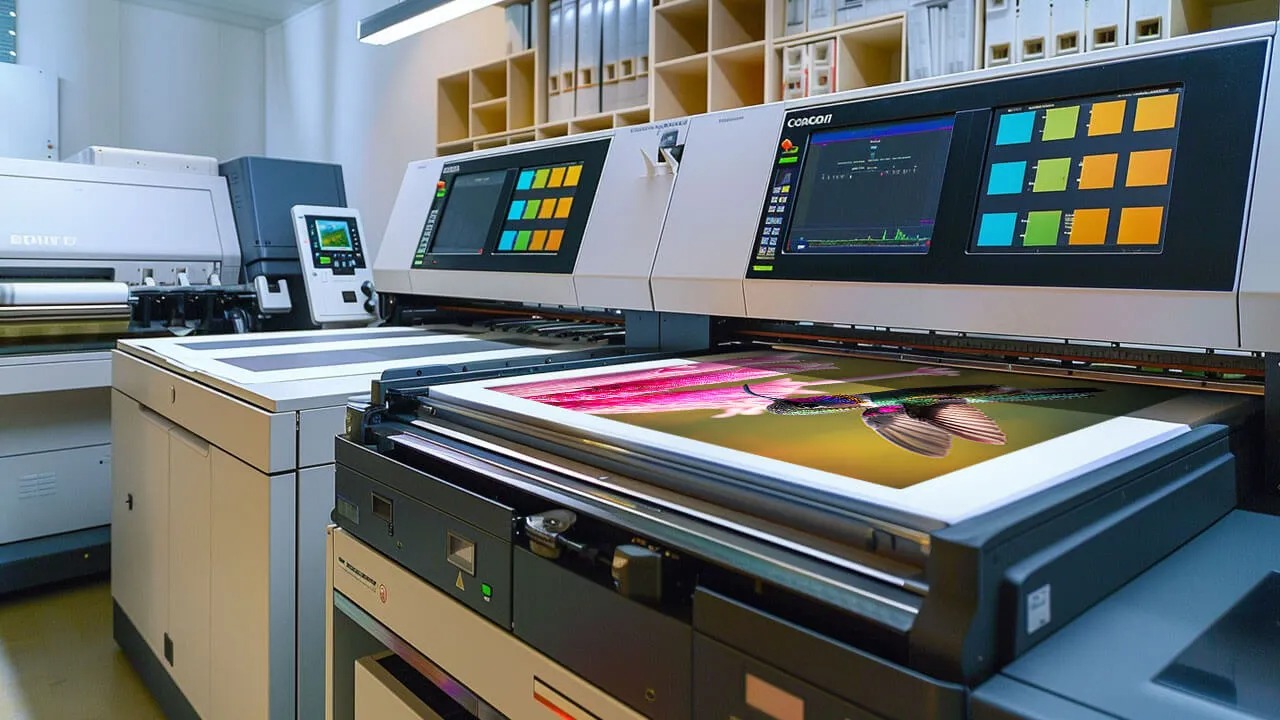
Uganda is full of many printing companies, with Kampala being the heart of the print and media industry, with renowned places like Nasser. However, all those media houses do not provide the same quality and pricing; some charge low prices while producing poor-quality products, and others charge high prices while offering poor quality.Choosing the right printing company that offers quality products is somewhat challenging in Kampala today; the city is full of people who are more after money than prioritizing service delivery, conmen, and people who have no physical place of work. In this guide, I am going to help you explore how to choose the best printing company in Kampala. When selecting a printing company in Uganda, it’s crucial to consider several factors to ensure you get the best service and results for your business needs. Factors to consider when choosing a printing company in Kampala. Quality of work. When choosing the best printing company, it's wise to choose a company with a strong portfolio of high-quality work. Going through the clients' reviews also shows the credibility of the company. Brands like Primedean have built strong, credible portfolios to help your brand stand out. Turnaround time. Ensure that a company you are selecting can deliver in your required time frame; timely delivery ensures minimized errors and saves time. Costing and pricing. Compare quotations of different companies before selecting a company; don't automatically choose the cheapest option; very low prices can sometimes mean lower-quality materials or finishing Payment terms. Ask about deposits, payment on delivery, credit facilities, and accepted payment methods. Information about the company, like bank account, mobile money accounts being registered in the company names shows authenticity that you are dealing with a legit company not conmen. For large corporate orders, favorable and clear payment terms can be important. Experience and reputation. Consider how long the company has been operating and the types of clients they serve. Ask for references or look at reviews and previous projects. A company with experience in your particular type of printing is preferable. The digital footprint and branding consistency across channels. Before deciding on the type of company to use, take time to check their digital channels such as websites and social media platforms; do they communicate what they do, and is the branding and content the same. Legal and regulatory compliance. Before choosing any company to use for you printing services, always confirm that the company is a registered company operating legally and compliant with the business laws governing the country. Always ask for documents like the Trading license, URA TIN and PPDA certificate to ensure you are working with a legit company on which you can take legal action in case of breach of contract or any disagreement How can I tell if a printing company is reliable? A reliable printing company usually shows consistency, transparency, and proof of past work. Before placing a large order, check these: Check on their track record. when looking for a reliable printing company, check how long they have been working, look for genuine reviews, not just testimonials on their websites, and ask for recent work similar to yours. This shows how reliable the company is. Test their communication. Pay attention to how quickly and clearly they answer questions. If they're vague before receiving your money, that's a warning sign. This can also help you to understand their expertise and knowledge in the industry, whether you are talking to an experienced or inexperienced company. Check their business credentials. For a significant order, verify that the company has a legitimate business presence, physical/contact information, and appropriate registration or tax documentation where applicable, for example, asking for their Trading license, PPDA certificate, and URA certificate. Ask about what happens if they make a mistake. A good printer should be able to explain their policy for defective, damaged, incorrectly printed, or late orders; no one really wants to be delivered with poor work after paying their money. Ask for a physical or digital proof. A reputable printer should be willing to provide a sample/proof before producing a large quantity. This helps to prove whether that the exact material and design that you want, it also assures quality work. Key questions to ask a printing company Asking the right questions matters a lot, and it can save you from a lot of mistakes and losses. Here are some of the right questions that you have to ask before you take on your work. Have you printed something similar to this before? This is one of the best opening questions. Don't just ask whether they can do the job. Ask whether they have actually done something similar. For example: We need 2,000 branded brochures, full color, A4, folded, with a fairly premium finish. Have you handled a job like this before? A good printer should be able to show you samples, photographs, or explain how they handled a similar project. What exactly is included in this price? This question can save you from unpleasant surprises. Suppose a printer tells you the flyers are UGX 500 each. Before getting excited, ask whether that includes paper, full-color printing, cutting, VAT, design, packaging and delivery. You may discover that the UGX 500 only covers the printing. What type of paper or material do you recommend? A good printer should explain which material will give you the quality you need without unnecessarily increasing your costs. Can I see a proof or sample before full production? A physical or digital proof allows you to catch mistakes in color, text, layout, size, or finishing before the whole order is produced and you end up with good work. How do you ensure color accuracy? This helps you find out whether they have a proper process for producing colors consistently, especially when printing company branding. Who checks the artwork before printing? This tells you whether the printer will help identify technical problems such as poor image quality, incorrect dimensions, or missing bleed before production. The biggest warning signs when choosing a printing company The price is suspiciously low. A very cheap quotation may mean lower-quality paper, poor finishing, hidden charges, or compromises in production also have a second though on low prices. They refuse to provide a clear quotation. If the company cannot clearly state the quantity, materials, finishing, total cost, and other charges in writing, you may face disagreements later. They keep changing the price. Frequent price changes after you have already agreed on the job can indicate poor organization or an attempt to introduce unexpected costs, and this can distract you from your prepared budget. They promise unrealistic deadlines. Be careful when a company guarantees an extremely fast turnaround without first checking the quantity, artwork, materials, and finishing requirements; this a times comes with delays and poor work. Their previous work looks inconsistent. Poor color matching, uneven cutting, blurry images, spelling mistakes, or weak finishing in previous jobs may indicate that quality control is not a priority. They communicate poorly. If they take days to respond, ignore questions, give unclear answers, or constantly change who is handling your job, the same problems may continue during production. They avoid discussing what happens when things go wrong. A professional printer should be able to explain how they handle defective, damaged, incorrectly printed, or late orders. They don't ask questions about your job. A provider who immediately gives you a price without asking about size, quantity, paper, finishing, artwork, or deadline may not have properly understood your requirements. They are unwilling to put agreements in writing. Important details such as price, specifications, deadlines, and payment terms should not depend entirely on verbal promises. In conclusion, when you are choosing to use a new printing company, take those considerations and ask the right questions to avoid making mistakes; look for those warning signs to choose the right company. That's how you can choose a reliable and right company for your business’s needs.
Reach out directly via phone, email, or visit our office.
Kira Road near Total Acacia, Kampala
P.O Box 490530, Hoima Uganda
0760 249 354
sales@primedean.com
We set clear execution schedules from day one and commit strictly to your delivery date.
